Mozambique
Mozambique sits on the Indian Ocean coast in the southern part of Africa.
The country was declared landmine-free in 2015, after 22 years of work by HALO. We returned there in 2022 to start a weapons and ammunition management project.


Situation in Mozambique
Mozambique currently faces several significant security threats. The principal threat is in the northern province of Cabo Delgado. This area is plagued by jihadist terrorism from groups linked to ISIS. This conflict has led to thousands of deaths and the displacement of hundreds of thousands of people.
The ongoing violence has created a severe humanitarian crisis, with many people lacking access to food, water, shelter, healthcare, and education. Many people have not been able to return home due to continued violence and destruction of infrastructure.
The conflict has the potential to destabilise the broader region.

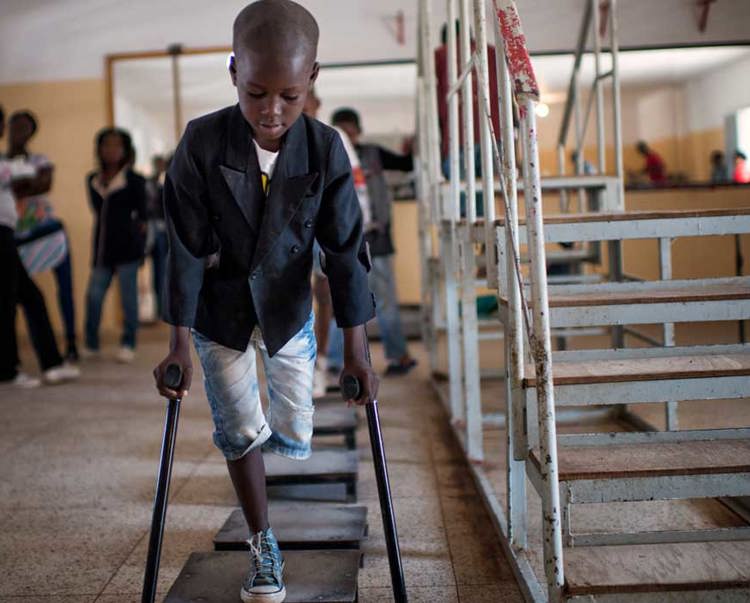
Walking through mined areas in Mozambique
HALO's work and impact in Mozambique

Children helped by HALO operations in Mozambique
HALO worked on clearing mines in Mozambique from 1993 to 2015, when the country was declared mine-free. During our time there we cleared 17,641,001 sq metres of land to return to the people. We estimate that 1,258,029 local people benefited from that safe land.
We returned in 2022 to support the Mozambican Armed Forces in developing effective weapons and ammunition management. We've been building and restoring armouries to secure weapons and ammunition stockpiles.
We also train state security forces in ordnance disposal, armoury management, and store-keeping, to international standards. This work helps to prevent weapons getting into the hands of terrorists. So far we've built 10 armouries and trained 32 personnel in securely managing them.
Other HALO programmes in Africa




HALO's work in Mozambique is funded by: